Mentoring - Lesson 7
Strategies for Success
Explore how mentorship involves careful planning and spiritual growth. You will review key responsibilities for creating a program aligned with 2 Timothy 2:2, develop strategies for effective mentoring, and receive practical advice on agendas, accountability, and fostering a deeper spiritual connection. The lesson emphasizes clarity over persuasion, offers specific meeting topics, and suggests strategies for personal, professional, and spiritual development. You will learn to balance structure with flexibility, listen to the Holy Spirit, and guide mentees with tailored goals and actionable steps.

I. Review of Previous Session
A. Planning and preparation for mentoring
B. Achieving mentoring program results
II. Mentor Responsibilities
A. Paul's instruction in 2 Timothy 2:2
B. Influence of spiritual growth
III. Suggested Meeting Topics
A. Testimony and evangelism
B. Integrity and humility
C. Spiritual disciplines and accountability
IV. Meeting Preparation
A. Importance of clear agendas
B. Clarity over persuasion
V. Initial Meeting Structure
A. Sharing experiences
B. Setting goals and strategies
C. Scheduling meetings and follow-ups
VI. Sample Meeting Agenda
A. Catch-up and prayer
B. Reviewing assignments
C. Bible study and discussion
VII. Mentoring Challenges
A. Long-term commitment
B. Accountability and guidance from the Holy Spirit
VIII. Conclusion
A. Offering assistance and prayer
Hello, welcome back. I'm your host Chuck Coker and we're talking about mentorship. And in this session, session seven, we're going to do a little bit of review and then I'm going to dump a lot of information on you about this as we begin to close this program out.
In our last session, we reviewed the planning and preparation necessary to meet both your need as a mentor and your mentee's needs for achieving the desired results of your program. In this session, we will provide you with some of the responsibilities and options you have to develop a program that will allow you to fulfill Paul's admonition to Timothy in 2 Timothy 2.2. The things which you have heard from me in the presence of many witnesses, entrust these to faithful men who will be able to teach others also. Go into this understanding that you have an opportunity to influence more than one person, but countless others who have the opportunity to benefit from your spiritual growth, maturity, and commitment to live in obedience to God.
So I'd like to share with you just some meeting topics that might be helpful. Now, some of these meetings will focus on immediate need or challenges your mentee is facing. Having specific topics and agendas will be critical for specific aspects of growth and development.
Here are some examples. Your testimony, personal evangelism, building integrity, developing a deeper level of humility, which is critical to the growth mindset, growing your spiritual disciplines, accountability in all aspects of your life, about maintaining godly priorities, your giftings for your church body, and maintaining your first love. We're in a series of leadership development, and this is one of the key factors because we have to balance academics and apprenticeship.
In doing so, we can identify our own personal ministry challenges and then learn to listen to the Holy Spirit so that we can find our purpose in God's will through personal, professional, and spiritual growth and balance that growth so that we can claim the promises by overcoming doubt, reducing stress, and burnout. Now, in our previous six sessions, we provided insight into how your homework prior to mentoring can increase your effectiveness. By now, you probably understand your mentee and many of the challenges you may face during this long-term process.
Each and every meeting that you'll be having will be unique, and it should be focused on a different agenda. So you're also going to need to be prepared for that agenda and ensure that your mentee is also. If it's not used one week, during the time of stress and challenge, it can always be applied in the following session.
So make sure your study and your research on the topic that you're going to cover is very clear. There's a phrase that is so profound that I want to share with you, and that is that clarity trumps persuasion. Again, clarity trumps persuasion.
You don't need to persuade your mentee if you are clear with them and they understand. So you can actually identify resources that will help them, and you can do that through specific scriptures that focus on your meeting agenda and reinforce the conceptual points that need to be made for your apprentice, or you can identify a personal testimony or one that the mentee can relate to on the agenda topic to reinforce the notion. You can also develop a list of questions that will encourage reflection, send it home with homework, and then take the input from your mentee in the process.
Now, we mentioned agendas often on throughout this program, but you need an agenda to stay on track and make sure that you don't chase rabbits during your time together. I would even suggest that you use an agenda that has time frames on it so that you can stay true, especially to those subjective, people-oriented aspects, and you can keep that objective individual on structure, and they'll follow it with you and implement it much more quickly. If you have a lot of time to cover during their time together, here's a few ideas.
Develop some discussion questions to ensure that there's continuous dialogue, especially on issues that may be on your mentee's heart. You can secondly focus on specific Bible verses or studies that elucidate the meeting's focus and points that need to be made, and you can also make sure that directions and follow-up assignments are there to ensure accountability. Now, let's move on.
What I would like for you to have at this point is an initial meeting agenda. On the screen, you'll see an example. At the introduction, the mentee should share their professional and spiritual experiences along with their academic background.
In other words, what kind of foundation do they actually have to build on? The mentor at that point should actually share their experience and their aspirations in what they want to accomplish for the mentee during this process. So this introduction aspect is critical so that there is a foundational understanding of where each individual is and what they can bring to the table. Secondly, establish and review your goals and objectives.
The mentee is going to have goals for either personal, professional, or spiritual development that they want to be communicated. The mentor, on the other hand, has to be able to identify which of these objectives they can actually help with and help the mentee understand that there are points where they may not be able to help them, and in that case, they need to be pointed to alternative resources. After establishing those goals, we need to refine them and actually develop strategies that will help us get there to the end results.
First of all, the mentee should discuss these with the mentor and what are the first steps that they as an individual need to take. So the mentor, on the other hand, chooses the goals based on the priorities that the individual has and what are the first steps that they need to take to ensure that those things actually occur. Next, we want to establish meeting times with specific times, dates, and focus with at least an hour once a month.
If we don't, the gaps will be too big and there won't be opportunities for the person to build on the next step in each time because there needs to be identified preferences for meeting in between, whether it be emails, office visits, or whatever, especially if travel is involved with either one of the two people. You can ask about constraints, but don't assume that they do not have preferences. And at the end of this initial meeting, express your appreciation.
Thank your mentee. Thank your mentor mentee for his or her time investment and recap what you are actually going to do for the next meeting. The mentor should then review and confirm any commitments that they've made so that they can move ahead.
As we wrap up this session, I think it's important that you have a sample agenda. So let's look at an agenda that might work for you. First of all, have some catch-up time.
Just what are some of the life events that have occurred? How may they be affecting you? And then you can pray over those things. Next, review the assignments that you've been given during the previous meeting and whatever accountability worksheet you've given to be completed by your apprentice. Present the meeting topic.
Have a Bible study and or testimony during that process that is in alignment with the objectives. Then you can discuss meeting questions that you prepared and sent prior to the meeting so that you can take in that situational advice and give it to the mentee so that they can continue to progress and move ahead. And if there needs to be homework, give them some.
Close out your meeting with prayer. But before you leave, always have that next meeting on your schedule. I want to thank you for sticking with me through this process.
Mentoring is not a simple process because it's not a short process. And there's going to be questions. There's going to be challenges that you face during the meantime.
And there may even come times when you decide that this is a little bit more than what you thought it might be or the mentee might feel like they're not ready to be held accountable. These challenges can all be faced with a positive direction from the Holy Spirit. We said in our very first lessons, it's important to pray that the Holy Spirit speak in you and through you.
And as you do that, I'm sure that he will place the words in your mouth that will be developmental and help your mentee move along the path that God has ordained before the foundation of the earth. Thank you again for staying with me. I'm Chuck Coker.
I've been your guide through this mentoring process. And I'd love to be of help to you in any way I can. Please don't hesitate to call me if there's a mentoring issue that I can help with.
Thank you and may God bless you in all that you undertake. And I ask it in Christ's name. Amen.
- Learn how mentoring facilitates growth in personal, professional, and spiritual development through collaboration, preparation, and effective communication.0% Complete
- Learn how to build trust, apply emotional intelligence, and adapt communication strategies based on mentee personality traits to effectively guide them toward growth in this stage of mentorship..0% Complete
- Understand how various mindsets, influenced by culture and values, affect mentoring relationships and communication, and then tailor your approach to mentees' logical, emotional, or belief-driven needs.0% Complete
- Learn how to plan interactions with your mentee, avoid common triggers, provide constructive feedback, and build trust, set clear goals, and leverage behavior insights.0% Complete
- Learn to use emotional intelligence, identify strengths and weaknesses, and apply SMART plans to structure mentoring sessions.0% Complete
- Learn how to use the Coachability Index and behavioral assessments to tailor mentoring approaches, personalized communication, and actionable SMART plans.0% Complete
- Understand the importance of planning, clarity, and spiritual growth in mentoring. The lesson offers strategies for setting goals, maintaining accountability, and guiding mentees through flexible agendas.0% Complete
Before Dr. Coker's class was released onto BiblilcalTraining.org, he joined us for a webinar. During the time, he provided an overview of the course and an opportunity for donors to ask questions.
0% Complete
Lessons
- Learn how mentoring facilitates growth in personal, professional, and spiritual development through collaboration, preparation, and effective communication.0% Complete
- Learn how to build trust, apply emotional intelligence, and adapt communication strategies based on mentee personality traits to effectively guide them toward growth in this stage of mentorship..0% Complete
- Understand how various mindsets, influenced by culture and values, affect mentoring relationships and communication, and then tailor your approach to mentees' logical, emotional, or belief-driven needs.0% Complete
- Learn how to plan interactions with your mentee, avoid common triggers, provide constructive feedback, and build trust, set clear goals, and leverage behavior insights.0% Complete
- Learn to use emotional intelligence, identify strengths and weaknesses, and apply SMART plans to structure mentoring sessions.0% Complete
- Learn how to use the Coachability Index and behavioral assessments to tailor mentoring approaches, personalized communication, and actionable SMART plans.0% Complete
- Understand the importance of planning, clarity, and spiritual growth in mentoring. The lesson offers strategies for setting goals, maintaining accountability, and guiding mentees through flexible agendas.0% Complete
Before Dr. Coker's class was released onto BiblilcalTraining.org, he joined us for a webinar. During the time, he provided an overview of the course and an opportunity for donors to ask questions.
0% Complete
Class Resources
Recommended Books
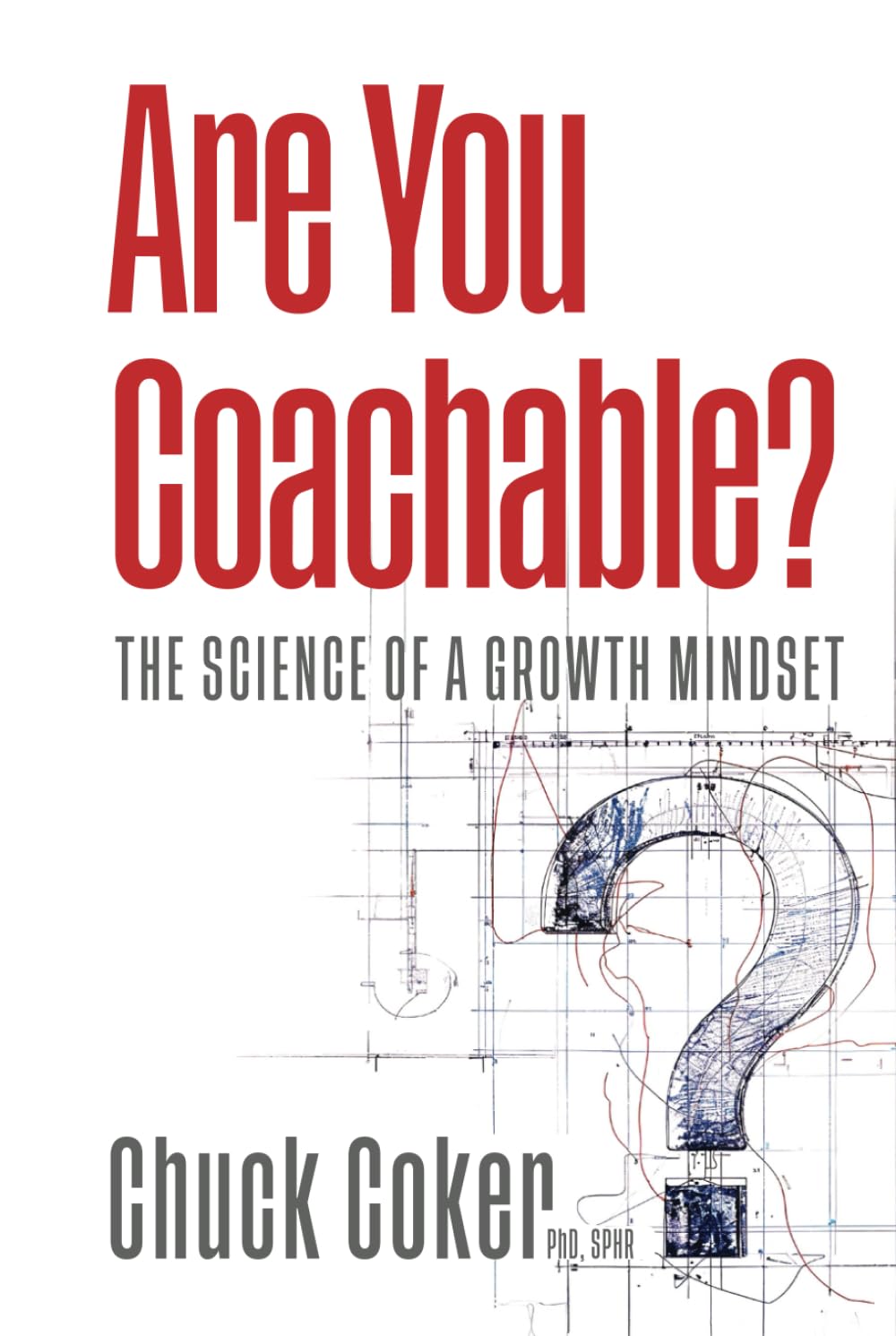
Are You Coachable?: The Science of a Growth Mindset
Do you feel stuck in your personal or professional life, struggling to reach the goals you've set for yourself? The key to achieving transformative growth and success lies...
About BiblicalTraining.org
BiblicalTraining.org wants every Christian to experience a deep and loving relationship with Jesus by understanding the life-changing truths of Scripture. To that end, we provide a high-quality Bible education at three academic levels taught by a wide range of distinguished professors, pastors, authors, and ministry leaders that moves from content to spiritual growth, all at no charge. We are a 501(c)(3) non-profit funded by gifts from our users. We currently have over 180 classes and seminars, 2,300 hours of instruction, registered users from every country in the world, and in the last two years 1.4 million people watched 257 terabytes of videos (11 million lectures).
Our goal is to provide a comprehensive biblical education governed by our Statement of Faith that leads people toward spiritual growth.