Mentoring - Lesson 1
Getting Started
This lesson reviews the essential role mentoring plays in personal, professional, and spiritual development. You explore the concept of mentoring as a long-term relationship focused on the growth of the mentee, comparing it with discipleship. The lesson discusses mentoring roles, benefits for both mentor and mentee, and biblical foundations. You also learn about practical steps, including defining objectives, setting priorities, and maintaining effective communication.

I. Introduction to Mentoring
A. Importance of mentoring
B. Increasing demand among Millennials and Gen Z
II. Definition of Mentoring
A. Mentoring as a partnership
B. Focus on growth and development
III. Scriptural Basis
A. Stages of spiritual maturity (1 John 2:12-14)
B. Pater as the mentor role
IV. Mentoring vs. Discipleship
A. Key differences and common focus
V. Benefits for Mentees
A. Feedback and support
B. Learning from mistakes
VI. Benefits for Mentors
A. Skill development and personal satisfaction
VII. Mentoring Process
A. Key stages: initiation, planning, process, evaluation
B. Importance of collaboration
VIII. Key Skills for Mentors
A. Listening and understanding goals
IX. Planning Mentoring Sessions
A. Importance of face-to-face meetings
B. Setting action steps
X. Long-Term Process
A. Mentorship duration and evaluation
XI. Essential Elements
A. Sharing expertise
B. Building trust and allowing growth
XII. Character Focus
A. Emphasis on character qualities
XIII. Identifying Mentees
A. Potential mentees: students, professionals, new Christians
XIV. Understanding Mentees
A. Adapting to individual differences
Hello and welcome. I'm Dr. Chuck Coker and I'd like to welcome you to our session on mentoring. One of my favorite subjects because investing in the next generation and the people we come in contact with is extremely important.
So why are we talking about mentoring? Well mentoring is one of those things that's become much more common in the church as well as society today. And when we think about the Millennials and Gen Z's, we see that there is a great demand in this particular area. So today I'd like to approach the whole concept of mentoring, compare it to discipleship and as we go through the different sessions, we'll try to help you understand each phase of the process and how to maximize the usage.
So let's start with the concept of what is mentoring? It's really a partnership between a mentee and a mentor with opportunities that allow the mentor to share their talent, skills, experience and expertise with the mentees. It does require an investment of time, energy and thought from both the mentee and the mentor. Now here's the key, it's a longer term relationship than a situation or just project coaching because the focus is on the growth and development of objectives of the mentee so that we're providing actual learning experiences through regular training, ongoing coaching and actually feedback from managers.
Normally this is a very comprehensive approach for personal, professional and spiritual development but it can be very singularly focused. Now what's the basis of this scripturally? Well I think we can go to 1 John 2, 12-14 because there are candidates in that particular group of spiritual maturity and the challenges of each. You see, Technia is a totally dependent person lacking experience and knowledge, needing direction and truly in the formative stage of development.
This is like a child that needs and is dependent on others. Paideon is a learning individual, hungry for knowledge and understanding because they realize they need that guidance and direction. It's like that child growing up that's always asking questions.
Gnanskos is an individual that we have named the young adult but they are in the steps of being made more mature with the focus and the shift to the long term rather than short term appeasement. But the picture biblically of a mentor is Pater and this is an individual with knowledge obtained through familiarity and personal experience who is willing to walk with another step by step to ensure the other's development regardless of the age or the maturity level. Now, let's go through them again.
Pater is a way that we can relate to the Technia, Paideon, and Gnanskos because we're going to grow them as mentors and this happens to be a biblical pattern so what we're talking about truly has scriptural evidence. Now, let's compare it for just a minute to discipleship. Both focus on instruction through a relationship but discipleship is an act of obedience in Matthew 28, 19.
It focuses on an instructional relationship to equip a person for a particular role. Mentoring, on the other hand, involves instruction with a focus on building a capacity for practical application in a particular spiritual environment. Both encompass all aspects of life.
It specially focuses on how one operates in the world of business, family, and church. Today, the concept and use of the term mentoring is largely replaced by the term discipleship even in the church. So the mentor aims to protect their young charge as they move towards maturity with their focus.
The word for discipleship means learner and the word protege comes from a Latin word meaning to protect. It's not so important as to what you call it but the focus is either on business and family or the spiritual aspects. So what are the actual benefits for the mentee? They need feedback and developmental advice from a more knowledgeable and experienced individual from the pater.
They need opportunity provided to them to help brainstorm ideas, communicate their concerns, and actually receive the support that you as a mentor can give them. They need a supportive forum to develop a focused plan for professional development that's tied to the skills, knowledge, and actions that the mentor has experienced and been able to pass on. They need an opportunity to learn from someone else's mistakes.
What is the mentee's role? The mentee's role is to clarify the mentoring purposes for growth. Since the partnership is focused on the mentee's learning objectives, it's essential that the potential mentee devote time to clarifying professional goals and identifying the strengths that will help promote the achievement of those goals as well as develop the areas that are challenging for the individual. So next let's move on.
What are the actual benefits to the mentor themselves? The mentor is going to develop an enhanced and strengthened interpersonal, relational, and coaching skills. Their preparation provides an opportunity to use and develop these leadership skills as you develop the expectations of the mentee. You see, this opportunity to demonstrate commitment of investing in people is critical for your personal growth and development, especially as you walk towards that stage of Pater.
Next it's also going to give you some personal satisfaction for guiding and sharing with another member of the body of Christ. You see, there needs to be a time of obtaining perspective of the mentees often less than half your age. So your role is to share experience, insights, and feedback that will guide the mentee in the achievement of their learning objectives.
Here's a critical part though. Listening plays an important part in the mentoring role. First of all, you have to listen to understand the mentee's goals and to uncover the key learning opportunities that support those goals.
Second, you also have to listen to ensure that there's agreement on the roles and the relationships, otherwise you won't obtain the consensus of this purposeful time together and what you're actually willing to do to be of help. Okay, so let's compare these roles. A good mentee knows their goals.
They know what they want to do and how to get there. A good mentor gets to know their mentee. The mentee asks for what they want because the good mentor is going to have that information available.
The mentee must remain gracious while the mentor isn't afraid to share, especially the mistakes they've made and the challenges that they've faced in the process. A good mentee knows what it takes to build that village. The mentor knows that age is just a number because a person that has the desire to grow and develop regardless of their age and has that gross mindset is going to move ahead.
So the mentor actually needs to take the lead while the mentor is going to be open and discuss that in a dialogue format to help the mentee along the way. And lastly, a good mentee knows this is a two-way street as well as the mentor knowing it's a two-way street because both people are actually going to benefit from this process because the greater the mentor invests and understands the mentee, the greater the mentee will learn, grow, and develop with a growth mindset that helps them maintain their humility while they continue to gain experience and learn from someone else's mistakes. So now moving forward, what I'd like to do is give us an outline for where we're going to go in this course.
I'd like to start with a quote from Mark Twain, and it's very simple. The secret to getting ahead is just getting started. And I know some of you may feel like you're not qualified to be a mentor, but God has placed you strategically where you are and for purpose.
And if someone comes to you that needs the experience that you've been through, I would suggest you step into it and let God lead you through the process. Because success in mentoring is about one word, preparation. Preparation and more preparation.
So let's talk about the course outline with each stage that we're going to be going through. First of all, we're going to talk about the initiation stage and how that works with yourself and a mentee. Second, we'll talk about the planning stage and its preparation.
Thirdly, we're going to go through the actual mentoring process and how you can prepare for that. Fourth, we're going to illustrate how to actually evaluate this process. So let's talk about the fundamentals now.
What do you really want to accomplish? And let's talk about some examples. Well, first, a person may want to actually cultivate their skills as a leader or manager. They may want to build self-confidence through greater self-awareness and emotional intelligence.
Third, they may want to clarify goals and objectives and increase their understanding of people, relationships, or their profession. Next, they may need to develop the technical and professional skills, whether it's in business or in theology. That way they can expand their resources for feedback and direction and increase their network of contacts.
Second, who do you want to mentor? People that you work with, either in a faith-based ministry or in business, will allow you to share the potential that you have. Think about your circle of influence. Is it purely faith-based or is it relational or in professional circles? There are people who might stretch your perspectives.
And in many ways, that's going to be good in that what God does during the sanctification process. There are also going to be people needing skills polished or actually developed for your organization or ministry. People who are continuous learners and committed to personal growth and development are the people that you definitely want to dive into because someone with a fixed mindset is probably not going to embrace all of the feedback that you have to offer.
Now, our next fundamental is, how do I actually identify if I have a mentee open to development? Well, you begin by asking them to perform a specific task in a specific way with a specific deadline so that you can gain insight into their personal skills. The other thing I would encourage you to do is use the free assessments that I have on my personal website. There's no cost to them.
After that initial meeting, what you want to do is jot down some notes about your impressions of the individual and then learn from the results of the assessments. First of all, if there is an openness to coaching, mentoring, and feedback, you want to identify that through the coachability assessment at www.lifethrive.com coachability-assessment. Next, their natural behaviors and mindsets are going to be critical for you to understand so that you're not surprised by the reactions or the way that they interact and communicate because no two people communicate the same nor ingest information.
You can find that assessment at www.lifethrive.com behavior-and-values-assessment. Now, if you're working in the faith-based area, you want to identify their spiritual gifts and their spiritual maturity level at www.lifethrive.com spiritual-gifts-assessment and www.lifethrive.com fruit-of-the-spirit assessment. Again, these are free to you at no charge and they will help you as you work through the engagement period of working with your mentee.
Now, once you've done that, you'll need to define the relationship with some sort of agreement. Yes, I mean some sort of agreement so that there is an understanding of the different responsibilities and let's talk about all three. First of all, their shared responsibilities like being prepared, confidentiality, keeping our schedules, being realistic about challenging goals, respectful communication on both parts is critical so that you can address problems and concerns.
Now, there's some mentee responsibilities too. They have to be able to clearly communicate their goals, work with the meeting times, self-discipline themselves during the learning, growth, and development process and play an active role in seeking other people's help if there are objectives outside of the mentor scope and as a mentor, I would encourage them to look for input from multiple people, not just yourself. Now, as a mentor, your responsibility is to stay on top of those goal and priority strategies.
There needs to be a commitment through the process to provide objectives and positive information and feedback so that the mentee understands the stages of development so that you can help them open new networks. We're also going to give you some sample agreements available with a download and some areas to help you set some priorities that we're going to see. Let's review.
Mentor's responsibilities is to set the goals and priority strategies, commitments that follow through, provide those objective positive information to the mentee and understand the stages of development to open their networks. The mentee, on the other hand, needs to make sure that their goals are understood. They meet those meeting times.
They discipline themselves in learning as they play an active role in seeking other people's help through the objectives of the mentor scope. But both of them need very clearly to be prepared, confidential with the information that's there, keep those schedules, be ready for those challenging goals and respect the communication as they progress through these procedures. I can't emphasize the next point enough.
Plan your sessions to increase effectiveness. Your mentoring relationship depends on your investment of energy and your commitment to the experience itself. You've got to be face-to-face on this.
Zoom can work from time to time when it's not always convenient to get together, but that face-to-face interaction allows you to pick up a lot because as we go through the next few sessions, we're going to be talking about the way a person communicates their body language, etc. so that you can stay on top of this. Keep those commitments and identify the action steps collaboratively.
As a mentor, you can dictate, but if unless it's collaborative, the mentee will not own the process and they have to do that in order to succeed. As far as the planning goes now, define the action steps that will help the mentee achieve their objectives. Step six is in a normal mentoring relationship.
It's going to last 12 to 18 months in most cases. You have to complete your relationship in the growth and development process because it requires discussion on the experience as a whole. Now let me give you a few questions you might want to ask yourself as you enter this process.
How did the mentoring experience test you? How did the relationship evolve over time? What would you do differently the next time that someone asked to be mentored or you choose someone? What surprised you? What disappointed you? How are you going to apply this learning? Where the goals outlined in the mentoring process actually achieved? What contributed to the success of this professional mentorship? What obstacles did the mentor and mentee encounter and what tactics were successful in overcoming them? You're going to learn a lot about the individual's personality as you walk through this process and that will help you see the variables the next time you enter into a mentoring relationship. Now if either the mentor or the mentee could rewind or start the business mentoring process over again, what do you think they would do differently? In the last of our fundamentals there are three elements of the relationship. As a mentor you want to make sure you accomplish.
First of all, you have to be willing to pay it forward and share your expertise. You can't hold back. You have to build a relationship of trust by being transparent, by being relatable, by being predictable, by presenting feasible options and then empowering your mentee to both succeed and fail.
Yes, I mean that as seriously as possible. You have to be willing to accept the fact that they're going to fail at times. That's how we learn, how we grow and develop and it's actually part of the sanctification process as I'm sure you're aware.
You must help the mentee understand how to move around groups and organizations so that they can meet the challenges they will face in both the formal and informal circumstances. If you have an introverted mentee this is going to be hard for them, but you have to encourage them and show them that each step that they take in this process will move them forward and help them in the growth and development. So let's talk about stage one.
Mentoring is about helping people become more like Jesus. It's more than self-improvement or personal development. If God is calling you to mentor others, begin thinking first in the terms of character qualities rather than specific skills or years of experience as a Christian.
What are your best character qualities? Where do you get your joy in service? This is critical. Second, be a mentor. You need a willing heart and a desire to pass on to someone else what God has done in your life.
God promises to help you grow as you depend on his Holy Spirit and commit to learning how to mentor one step at a time. As I said earlier, this is going to be growth and development for both of you. You do not have to be perfect.
Please don't think you do. Have all the Bible knowledge or ministry experience you may want or even a particular personality. God's going to help you focus through the process because you need to ask the Holy Spirit, the Spirit of God, to show you what the next step is.
Jesus describes the Holy Spirit as a guide, so let him guide you. Ask the Holy Spirit to answer these questions. What do you want me to invest my life in? What do you need to continue to grow spiritually? What's holding your mentee back? And which passage of scripture should we explore next to help in that growth and development process? Because I'm sure there's going to be a specific goal that we need to set for ourselves.
And finally, in stage one, in addition to personal contacts, you can actually find mentees in high school students, college students, new in the job market, newly married couples, new parents, or new or maturing Christian adults. In our next section, we're going to focus on something that's very critical and very important, and that's understanding the makeup of your mentee. If you don't, you're going to hit some brick walls in the process.
And so in our next two sessions, we're going to focus on how to understand the uniqueness of that individual so that you can minister to them in a way that will help them grow and develop at an accelerated rate. Thank you for joining us here in session one. I look forward to seeing you in the next section.
- Learn how mentoring facilitates growth in personal, professional, and spiritual development through collaboration, preparation, and effective communication.0% Complete
- Learn how to build trust, apply emotional intelligence, and adapt communication strategies based on mentee personality traits to effectively guide them toward growth in this stage of mentorship..0% Complete
- Understand how various mindsets, influenced by culture and values, affect mentoring relationships and communication, and then tailor your approach to mentees' logical, emotional, or belief-driven needs.0% Complete
- Learn how to plan interactions with your mentee, avoid common triggers, provide constructive feedback, and build trust, set clear goals, and leverage behavior insights.0% Complete
- Learn to use emotional intelligence, identify strengths and weaknesses, and apply SMART plans to structure mentoring sessions.0% Complete
- Learn how to use the Coachability Index and behavioral assessments to tailor mentoring approaches, personalized communication, and actionable SMART plans.0% Complete
- Understand the importance of planning, clarity, and spiritual growth in mentoring. The lesson offers strategies for setting goals, maintaining accountability, and guiding mentees through flexible agendas.0% Complete
Before Dr. Coker's class was released onto BiblilcalTraining.org, he joined us for a webinar. During the time, he provided an overview of the course and an opportunity for donors to ask questions.
0% Complete
Lessons
- Learn how mentoring facilitates growth in personal, professional, and spiritual development through collaboration, preparation, and effective communication.0% Complete
- Learn how to build trust, apply emotional intelligence, and adapt communication strategies based on mentee personality traits to effectively guide them toward growth in this stage of mentorship..0% Complete
- Understand how various mindsets, influenced by culture and values, affect mentoring relationships and communication, and then tailor your approach to mentees' logical, emotional, or belief-driven needs.0% Complete
- Learn how to plan interactions with your mentee, avoid common triggers, provide constructive feedback, and build trust, set clear goals, and leverage behavior insights.0% Complete
- Learn to use emotional intelligence, identify strengths and weaknesses, and apply SMART plans to structure mentoring sessions.0% Complete
- Learn how to use the Coachability Index and behavioral assessments to tailor mentoring approaches, personalized communication, and actionable SMART plans.0% Complete
- Understand the importance of planning, clarity, and spiritual growth in mentoring. The lesson offers strategies for setting goals, maintaining accountability, and guiding mentees through flexible agendas.0% Complete
Before Dr. Coker's class was released onto BiblilcalTraining.org, he joined us for a webinar. During the time, he provided an overview of the course and an opportunity for donors to ask questions.
0% Complete
Class Resources
Recommended Books
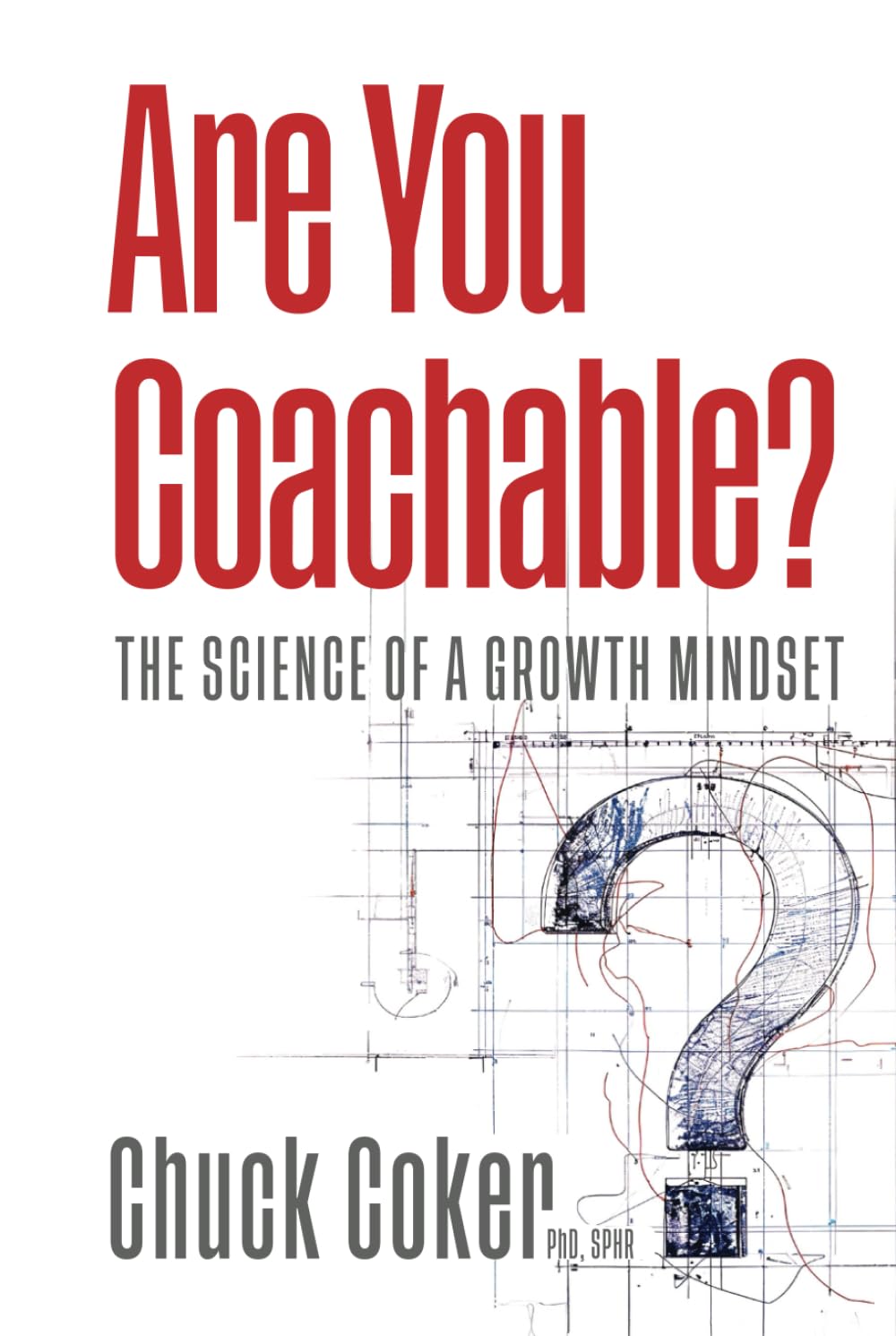
Are You Coachable?: The Science of a Growth Mindset
Do you feel stuck in your personal or professional life, struggling to reach the goals you've set for yourself? The key to achieving transformative growth and success lies...
About BiblicalTraining.org
BiblicalTraining.org wants every Christian to experience a deep and loving relationship with Jesus by understanding the life-changing truths of Scripture. To that end, we provide a high-quality Bible education at three academic levels taught by a wide range of distinguished professors, pastors, authors, and ministry leaders that moves from content to spiritual growth, all at no charge. We are a 501(c)(3) non-profit funded by gifts from our users. We currently have over 180 classes and seminars, 2,300 hours of instruction, registered users from every country in the world, and in the last two years 1.4 million people watched 257 terabytes of videos (11 million lectures).
Our goal is to provide a comprehensive biblical education governed by our Statement of Faith that leads people toward spiritual growth.