Depression: When a Member of the Flock Needs Special Care - Lesson 3
Depression and Spirituality
In this lesson, you will explore the spiritual aspects that can impact our understanding of the heart of God. You will examine the stereotypes of God's presence, such as the belief that God is only there when we need rescuing. The lesson delves into the heart of God and his desire for a relationship with us. You will also learn about misconceptions of God's intentions, including the idea that we need to earn God's favor. The lesson discusses depression among Christians, their reluctance to seek help, and the belief that depression signifies spiritual deficiency. By examining biblical examples of depression, you will gain insight into God's response and how he gently redirects and corrects his followers. Lastly, you will analyze Job's struggles with depression, his perseverance, and his response to his losses.

I. Stereotypes of God's Presence
A. Rescue when needed
B. Assaf's Psalm
II. The Heart of God
A. Relationship with God
B. The High God and our needs
III. Misconceptions of God's Intentions
A. Disappointment and expectations
B. Being honest with God
IV. Depression and Christians
A. Shame and reluctance
B. Spiritual deficiency
V. Biblical Examples of Depression
A. God's response
B. Samuel's story
VI. Job's Struggles and Depression
A. Job's perseverance
B. Job's response to his losses
Dr. Greg Knopf: Well, Gary, we’ve had a chance to talk a little bit about some of the risk factors from our body and from our endogenous issues, from our genetic makeup and some of the issues from our environment and our relationships, and some of our psychological patterns we can get into. Let’s maybe talk a little bit about some of the spiritual aspects, not only in our culture, but maybe within our church environment, that can either work for or against us as far as having an adequate understanding of the heart of God. You know, I’ve always found it sort of interesting to see, you know, does the world struggle with spiritual issues, existential questions. And I can see this in USA Today.
It says, “I found myself in trouble and went looking for God. My life was an open wound that wouldn’t heal. When my friend said, ‘Everything will turn out all right,’ I didn’t believe a word they said. I remember God and shake my head, and then wring my hands. I’m awake all night, not a wink of sleep. I can’t even figure out what’s bothering me. I go over the days one by one, and remember all the years gone by. I strum my guitar all night long, wondering how to get my life together. Will God walk off and leave me for good? Will he never smile again? Has God forgotten his manners? Has he stomped off in a tiff and abandoned all of us? ‘Just my luck,’ I said. The high God goes out of business just the moment I need him.”
I think that’s one of the common stereotypes in our culture that would say, “Well, you know, God is there when I sort of…he’s my rescue and that’s what I need him for.” Well, you sort of listen to that and you go, “Yeah, I can see maybe somebody who didn’t know the Lord would have those kind of feelings.” But the issue is, what I just read you is from the Psalms. That’s from an Asaph Psalm. That is Asaph pouring out his heart before God. He’s saying, “God, this is how I’m feeling.” Now very interesting, in the Hebrew, in the Psalms, that oftentimes gives you the punch line before it gives you the scenario. Because I started out with verse two when I read that, because verse one says this, “I yell out to my God. I yell with all my might. I yell at the top of my lungs. He listens.” Now what the word means ‘listens,’ it’s not just, “Oh, yeah, yeah, I’m aware of that. Email me your comments and I’ll get to them when I can.” No, it’s when he says he listens that when we yell out to him, when we call out, when we come before him in honesty, he will then actively take personal responsibility to come and meet us in our time of need.
Later on in Lamentations, it says, “I called on your name, O Lord, from the depths of the pit. You heard my plea, my cry for relief. And you came near when I called you, and you said, ‘Do not fear.’” One of our friends has said that one of the summary statements of the entire Old Testament is found in the Book of Exodus, where it says, “I carried you out on eagle’s wings to draw you to myself.” It happens to do with the whole idea of the exodus and what God did to bring them out. Why? For relationship. God wants a relationship with us, and that’s what some of the things we want to talk about.
Listen to this as well. This is from the Psalms, and it says, “I hear this most gentle whisper from one I never guessed would speak to me. I took the world off your shoulders, freed you from a life of hard labor. You called me in your pain and I got you out of a hard place.” That’s what God says to us. And then he says in Isaiah, “Don’t be afraid. I’ve redeemed you. I’ve called you. You’re mine. When you’re in over your head, I’ll be there with you. When you’re in rough waters, you will not go down. When you’re between a rock and a hard place, it won’t be a dead end because I am God, your personal God, your Savior. I paid a huge price for you. That’s how much you mean to me. That’s how much I love you. I’d sell off the whole world to get you back; trade their creation just for you. So don’t be afraid. I am with you.”
When you read something like that, you know, that is the heart of God toward us. It’s not like, “Oh, you’re messing up again.” I can’t tell you how many times people come into my office and I will say, “I understand you’re a believer.” “Yeah.” And I will sometimes say, “Well now, if Jesus were here sitting next to us in this exam room, how do you think he’d be feeling about you right now?” And, you know what? Most people say, they say “He’d be disappointed with me. I haven’t been able to pray enough, to read my Bible enough to, you know, to do what I need to do to earn God’s favor.” And that grieves my heart, because that’s not the heart of God. So it’s these discarded concepts sometimes that we have of what God, his intentions toward us, that put us in this box, that prevent us from understanding the heart of God. And that’s one of the reasons, I believe, that God allows us to experience depression, is to say, “You know, yell out to me, come before me. Don’t pretend that everything is okay, because I can’t do anything if you don’t come before me.” So, Gary, you have some great concepts I wanted to have you share with folks here.
Dr. Gary Lovejoy: Well, you know, it’s interesting. In regards to that we were talking in an earlier video about the frequency of depression. But as frequent as it is, there are so many, probably four out of five, who experience depression don’t ever seek any help, whether it’s medication or counseling. And so why are they so reluctant? And this is both Christians and non-Christians alike. Sometimes they just become adapted to it and they don’t realize they’re depressed, because many of the symptoms that Greg talked about are physical in nature, and so they think maybe it’s some sort of low grade virus or something. But others feel ashamed of their depression, as Greg was saying. In a recent study that showed that 58% of the population believes that when you become depressed, that is evidence of personal weakness, a flaw in your character. Well, if you honestly believe that, then why would you admit to yourself that you’re depressed, let alone go seek help for it? But what’s even worse, and I think you mentioned the fact that sometimes men see it as being more stoic, and “I’m not going to demonstrate my, or show my dirty linen before a perfect stranger,” and so they may tough it out. But women, even women in this same survey, 40% of the women said “I was too embarrassed to go.”
But I think most tragic of all was with the Christians, because when Christians were polled on this, the majority of Christians were reluctant to talk about depression because they felt like that depression was evidence of spiritual deficiency; that, like you said, “I’ve disappointed God. I have failed God. God can never use me for the kingdom again.” And if you honestly believe that, if that is what your core concept of depression is, then why would you admit to yourself that you’re depressed? It’s tantamount to saying “I’m admitting that I’m a terrible Christian.” In fact, this goes on the whole idea that, on, the only good Christian is a happy Christian. But that defies the entire Bible. Most of God’s most trusted servants had episodes, attrition, sometimes even suicidal depression; and Elijah and Moses, and Jeremiah and Jonah, and Job, and on and on the list goes on into the New Testament, including Paul and Peter. So if these people were depressed, then we need to take a look at—in fact, depression and anxiety are the two most common emotional disorders discussed in the Bible. But when was the last time you heard depression as a subject matter in a sermon? And yet it’s one of the most common emotional disorders just described in the Bible, and also of God’s tender response to it. He doesn’t rebuke them. He doesn’t tell them that they failed him. He doesn’t tell them that he’s ashamed of them or that he is going to judge them; but rather he comes along gently beside them and redirects them, corrects their thinking. It helps them to understand.
I remember one beautiful example, Samuel, who, when the people said to him, “We want a king like everybody else, like all the other nations.” And he was devastated because for 40 years he preached that God is your king. And so He goes to his tent, he throws himself down in his tent, and calls out to God and says, “I have failed, my ministry’s a failure. I just…” And God says to him, “Samuel, this is not about you. The people of Israel have been sinning against me and rejecting me from the days of the Exodus.” And he recalls the time of the golden calf. He says, “They’ve been rejecting me long before you ever came along. This is not about you, Samuel. This is about their attitude toward me.” And that was redemptive to Samuel. For the first time, he began to realize, “Well, maybe my ministry is not a failure. I have been a faithful servant of God. But sometimes we have these kinds of biases that tuck into our thinking and really create a whole raft of depressive experiences that we go through unnecessarily.
In Psalm 91, it says that we will be honored in our struggles. Really? In fact, then we read in James chapter 5, verses 11 through 12 that Job was honored for his perseverance and endurance through hard times. He was honored. Well, he must have been fairly heroic in the way he did it. Well, I want to share with you a few passages from Job. If we want to go back and take a look at how did Job respond to his losses and to his adverse circumstances, and the depression that he was struggling with. This is what he says, Job chapter 3, “After this. Job opened his mouth and cursed the day of his birth. ‘Why did I not perish at birth and die as I came from the womb? For now, I would be lying down in peace.’” In other words, he wished he were dead. In Job 6 he talks about, accuses God of bringing anxiety and misery upon him. And later on in that chapter, he talks about his hopelessness and his increasing victim mindset. And then in chapter 7 he talks about his insomnia. It’s one of the best biblical descriptions, actually best descriptions anywhere, of insomnia. This is what he said: “Like a slave longing for the evening shadow or a higher man waiting for his wages, so I have a lot of months of futility and nights of misery. When I lie down, I think, how long before I get up?” And that’s a…people who have difficulties sleeping. That’s exactly what they’re thinking. “The night drags on and I toss until dawn.”
So he’s struggling with all of this. And then he finally gets to an epic moment of misery, and when he says this in 10, he says, “I loathe my very life. Therefore, I will give free rein to my complaint and speak out in the bitterness of my soul to God. And I will say this to him. Does it please you to oppress me while you smile at the schemes of the wicked?” Whoa. Are we talking about anger or what? Job is talking about his anger toward God because his circumstances seem so unjust to him. He begins accusing God of holding his past against him, and he continues increasing paranoia as he’s going along and increasing rage. And God…at one point he’s fearful of expressing too much because his friends are advising against it. Plus the fact he says, “I wish I had an ombudsman, somebody who could go between me and God, I need an intermediary,” because he feared God, because of the legalism that he was hammered by from his own friends.
And then in chapter 21, verse 4, he says this, “Why should I not be impatient? Is it any wonder I’m getting tired of God’s silence?” Some of you feel that way? “Why do you, the wicked…why do the wicked have it so good? Their homes are peaceful. They’re free from fear. They never experienced God’s disciplining rod. So why me? So why me?” Now he had a whole litany of complaints. And yet we think back on James’ description of Job, and he’s honored for his perseverance and endurance of depression. Well, it isn’t exactly what you thought it would be, was it?
But then what is God’s response to Job’s complaints? He turns to Eliphaz, the Temanite, Job’s friend. He says, “You’re the one I’m angry with. You’re the one who has not been honest with me, not like my servant Job has.” In other words, Job’s honesty was being honored. And how is he honest? He was openly expressing his anxiety, and his anger, and his disillusionment, and the angst of his circumstances, and in what seemed to be harsh and unjust circumstances to him. God…you know, his friends refuted him for saying that, but God accepted him. And I think that’s really significant because I think honesty with God and with ourselves is all that really God asks. I mean, he doesn’t expect us to have superhuman emotional strength to cope with all of life’s trials. He knows, God knows, that sometimes will become overwhelmed by life’s experiences. He’s not a fragile God. This is no surprise to him. But he knows this: that honesty, first with ourselves and then with God, is a prelude to personal change. He also knows that persistent denial is what keeps us in the dark about the importance of that change, and what’s going on is wrong. And it also prevents us from really listening to God’s quiet voice telling us something different.
You know, one of the things that is paralleled here is in a very interesting verse tucked into the Sermon on the Mountain. These are Jesus’ words when he talked about in Matthew chapter 5 verse 8, when he says, “Blessed be the pure and heart.” Now, for years and years and years, I read that and saying, “Oh yeah, well, that makes sense. You’ll be blessed if you lead a pure life and you morally straight walk the straight and narrow, you’ll be blessed for that.” But that’s not what it’s talking about. I went back and did a word study of that, and the word for ‘pure,’ which is oftentimes is kind of a loose translation from the English to the Greek, from the Greek. But the Greek word for ‘pure’ there is ‘katharos.’ So, what does that mean? Well, katharos is the word, the Greek word from which we get the English word ‘catharsis.’ Catharsis means to let everything out. It means to cleanse the system. If you have a colonoscopy, they give you this innocent little bottle and you swallow it. And it isn’t so innocent. It just cleans you out. Right? And you know, you do it. You get it to your poor patients, and it cleans you out. That’s called a ‘cathartic.’ It cleanses you. And the psychological equivalent of that is like someone comes to see me and they’ve been holding the stuff inside; they haven’t told anybody these deadly secrets in their head, and they’ve just been hanging on to it, and they finally are able to share it openly and honestly. And it just gushes out and torrent of tears. And afterwards they feel that release; like the man I shared earlier about who finally shared all the pent up stuff about his father. And he felt the 10,000lb weight lifted when he’s finally honest about what he was feeling, and the fear, the great misery he felt at the loss of his father.
You see, it’s when we’re honest. And so what? So what? Matthew 5:8, what he’s saying here in the Sermon on the Mount, which is arguably the most important sermon of his entire ministry on earth; he said, “When you’re honest, when you disgorge all the contents of your heart, your fears, your angers, your anxiety, your depression, your sin, all of it bore the loving, accepting presence of God, you shall be blessed.” What an incredible promise! So what he’s asking for is our honesty, not that we have the superhuman strength that we can handle anything. God understands that in facing our bitter disappointments, we, like Job, oftentimes question God in the midst of our misery and our unhappiness, don’t we? We wonder where is God anyway? We too, like King David, cry out, as Greg has read. “Is he just? Does he care? Is he there? Is he hearing me? Why does he let all this suffering happen to his beloved?”
But see, all of this is simply evidence of our profound brokenness. But the one thing we learn most from Scripture is that God is not fragile. He can handle our powerful feelings and our accusations against his person. He knows these things are the stuff of despair and depression. He knows that. All he wants is our honesty before him and before ourselves, and confronting the problem and our willingness to entertain a different perspective. That’s what elevated Job, because Job was open. He was broken, but he was also open to God’s voice. And when God opened up, and I think God’s response is so powerful here, because typically when we’re being accused, what do we do? We shut down. “I’m not going to say anything. I’m not going to share anymore. I’m just going to shut down, protect myself.”
But what did God do when he was at the other end of Job’s accusations; he opened up. He shared the majesty of his person such that at the end of which Job says, “I am too dazzled by God’s majesty. I’ve seen things too great for the eye to describe.” He was amazed. And this was before God restored him. He was already mentally healing before he was actually restored physically. And I think that in this regard, I think that’s why we often refer to God as the God of surprise. I think he so often responds in ways we don’t expect him to, doesn’t he? And I think personally, like Job, our concepts of God are often too small, too legalistic, too harsh, too unmerciful. You know, he tends to respond, he responds in compassion when we expect retribution. With—he responds with grace to us. When we expect disgust and judgment, and he responds to us with love when we expect rejection. He’s a God of surprise.
But so oftentimes our God concepts are so distorted, and that is a major contributor, from a spiritual point of view, to our depression. For example, I have identified five common distortions of our God concept. First of all, there’s the accountant concept of God. This is where the legalists really come in; but where God audits our performance and he enters it as a kind of a credit or debit in our so-called spiritual bank account. It’s all about performance, it’s what we do that counts, and it determines our worthiness for the kingdom; how many things I’m doing, how many times I’m at church, how many activities am I doing, how many times am I praying and reading the Bible, and so forth, all of which are important. But I’m weighing it now entirely from a poor performance point of view. But you see, the count concept of God, I was always guilt laden. I was always feeling like I’m not doing enough. And it denies the grace of God so that God is someone to impress.
The dictator concept, the second concept, is that God is the celestial policeman, the bully, the one who will visit his judgment at the slightest chance, that he’ll snap you when you make the first mistake. So that God, you know, simply denies the mercy of God, so that God is someone to fear.
And then there is the detached concept of God. And the detached concept of God is God is aloof; he’s disengaged; his attention is difficult to capture. He’s not really interested in you. You know, the typical line, if he really cared, he wouldn’t let suffering happen like this. The detached concept of God basically denies the love of God, So that God is someone to convince.
Or then there’s the peer concept of God. The peer concept of God is God is our friend, our pal, who’s basically obligated to help us ease us around life’s difficulties and trouble spots. And when he doesn’t do it, we feel it’s injustice. We feel that somehow something is wrong, that he has violated the covenant when, in fact, it’s usually us that has. There’s little sense of awe or a sense of God’s transcendence in this peer concept of God. Basically, this concept denies the holiness of God, so that God is someone to manipulate.
Then finally, there’s the rescuer concept of God. And the rescuer concept of God should probably be pretty familiar, certainly familiar to the Israelites. People marginalized God. They considered God in the outer margins of their life. They only think about God only when they have to, usually when they’re in church, or maybe with their Christian friend. But other than that, God is pretty much not in their life, at least not on an everyday experience level. But in crisis, suddenly they cry out to God. Now they’re begging God to intervene. They’re begging God. And when the crisis finally passes, as all crises have a tendency to do,God then once again recedes to the margins. So that the rescuer concept of God denies the sovereign purposefulness of God. So the God is someone to ignore outside of crisis.
You see, the one common thread among all of these distorted concepts of God is their truncated views of God, that they deny important characteristics of who God is. And if we’re denying who God is, or at least important characteristics of who God is, we are also unwittingly in the process of denying, to a large extent, who we are because we are reflecting who he has created. And I think that in this regard, our concepts of God are so small, so truncated, that they lead to distorted expectations from God. And so when God doesn’t respond in the way we expect him to, then we feel jilted and we’re angry. And as a result, we start getting depressed and feeling like, “Well, God’s not there for me; then if he’s not and I’m left alone, I’m on my own. You’re on your own, pal. Do the best you can.” And when believers feel alone, they really get depressed. When they feel that God has abandoned them, they really feel depressed.
And sometimes when people say, “Well, all you need to do is pray more or you need to read the Bible more,” all of both of which are wonderful things to do. But I’ve had many, many clients come to me who have worn out their knees praying, whose Bibles are black from fingering the passages of comfort, and yet they’re desperately depressed. And they say to me, “I must be beyond God’s mercy. I must be so reprehensible. I must (as one woman put it), I’m a stench in the nostrils of God. I must be so unworthy, so reprehensible to God that I am beyond redemption.” I have a letter, it was written by a client of mine, and she said this (I just draw out a couple of excerpts to illustrate her concept). She says, “I’m comfortable… (By the way, she was a client who engaged in a lot of self damaging behavior; she cut her arms and did those sorts of things; so she was intra-punitive in her behavior). And she said this, she says, “I’m comfortable to be condemned. That’s why I beat myself as a child. God wants me guilty and to be condemned. If I let my guard down, I could burn in hell in a minute. Guilt protects me from God being mad at me. I can never let go of my rigid control. If I condemn myself and if I hurt myself, then I’m safer from God because I’m doing it for him, you see. If I punish myself, (in other words) I take over and I’ll punish myself and take over God’s work.”
So it kind of eliminates the suspense. That’s her view of God. And then she concluded this. She says, “I am…it’s terrifying. It’s terrifying to be vulnerable.” She was profoundly depressed. But you see, her concept of God was so distorted. She kind of had a dictator concept of God, together with some elements of accountant concept of God. But it left her without any real mercy and grace and love, what God has expressed to his downtrodden servants throughout Scripture. I believe, I firmly believe that the depressive episodes of his servants were deliberately included in Scripture. Everything is there for a purpose, and they were there to demonstrate that we can struggle in our circumstances of life, and we can even question God’s goodness at times. And yet God continues to love us unreservedly. When I think of that, I think of Hebrews chapter 11; it’s a marvelous, marvelous passage, and which is often known as, you know, the list of the heroes of the faith.
But if you look at those heroes of the faith, it’s more like a rogue’s gallery. I mean, he starts with the very beginning, but I’ll just pick out a few, like Abraham. Abraham was a terrible husband. I mean twice, not once, but twice he tried to pawn his wife off as “That’s my sister. Take her. Go. Don’t hurt me.” I often say to wives, how would you like it if your husband and you were walking down the street and an assailant was coming from the other direction, and your husband shoved you in front: “You know, I hardly know her. Go ahead and take her, but don’t hurt me.” I don’t think your wife would be terribly thrilled. I doubt if Sarah was terribly thrilled when she was used as sacrificial lamb to protect Abraham. But they didn’t stop there, because when Sarah was being assaulted constantly by Hagar and her mocking ways, and Sarah was already suffering because she couldn’t bear a child. And Hagar, pregnant, was now mocking her day in and day out. And they are living under the same tent. So Sarah had had enough. And she confronts Abraham. She says to Abraham, “Do something. I can’t take it any longer.” And you know what Abraham’s response was? He did a “Pilate” thing, kind of wash his hands of the whole thing: “Do with her what you want.” One word from him; that was a male dominated society in that day. All he had to do is go to Hagar and say, “I want you to stop right now ever saying another negative word to my wife, Sarah. And if you don’t, there will be consequences.” She would stop just like that. But Abraham didn’t do that. He dispatched Sarah to take care of it herself. And of course, you know the debacle that turned out to be.
And then, of course, Isaac, his son. You know, the apple doesn’t fall far from the tree. He did the same thing with his wife, Rebecca, with King Abimelech: “You know, that’s my sister, take her.” I think he learned that well. But, you know, Isaac and Rebecca also had the problem of favoritism. Rebecca favored Jacob, and Jacob was favored by Isaac. And that favoritism came to haunt them, did it not? The two brothers, Jacob and Esau, were just at each other’s throats, and one was ready to kill the other. But you see this down the road because Jacob also favored, guilty of favoritism. He favored Joseph, didn’t he, and incurred the wrath of all of his brothers.
And then we go on and we look at others on that list; like Samson (he was downright debauched). He slept with the Philistine women. In fact, he took vows as a Nazarite, and virtually broke every single vow. He lived a very debauched life. And then we see King David, and we can’t forget David, his tete-a-tete with Bathsheba. And then, of course, he had her husband killed. And then there is Rahab, who was a harlot, not exactly one of your honorable professions. You see, you look at this, and you say, “Well, they do a lot of things I wouldn’t even think of doing.” Most of them wouldn’t even qualify to be elders in the church. Can you imagine David, going to apply to be elders and says, “Well, yeah, I had…but I’m not doing adultery anymore. I had that one problem, but I took care of it. Yeah, I know, I killed her husband, I did my time. I’m all fine now, so I’d like to be elder now.” How many churches would accept that resumé? Not many. You see this long list?
Then the most fantastic verse out of that whole chapter is in verse 38. It’s quietly put in. It says, “If God is delivering now his judgment of these people, his view of these people,” and he says, “And the world was not worthy of them.” That’s the highest accolade you can get. God himself is telling us the world was not worthy of them. Why? Because they were not defined by God. They were not defined by their sin. But they were defined by their faith through God’s grace. That’s what was important. And in that regard, that’s true of all of us. We are defined not by our sin, but by God’s grace through our faith, so that God can say of each of you and each of us, the world was not worthy of you.
When we begin to realize God’s view of us, we get a much bigger picture of the God we serve and a God that we love. And we can hardly say, “Well, God is unfair because he says, ‘I want you to be open with me. I want you to be. My grace is sufficient for you. I will give you the strength you need to endure your circumstance. Seek me first. And you will have that peace.’” That doesn’t mean you will have happiness. You will have peace; there’s a difference. And so I think there’s such powerful biblical principles underlying what Greg and I do with our depressed patients. When they come in, I talk a lot about Scripture. I know you do, too. And we talk about faith matters. Because why? Because they are directly relevant. The Bible has much to say about the struggles we go through. Life is never presented in the Bible as some sort of serene existence when we are believers. It is a tough existence. There are tough things that happen. But the beauty of it is we have a God who does not abandon us. And that’s what we believe and that’s what we want to communicate to our patients so that they don’t have still another source that contributes to the depression they’re already struggling with.
- In the first lecture of the course "Depression: When a Member of the Flock Needs Special Care," you will gain insight into what depression is, how it affects people, and what causes it, as well as learn about the difference between depression and normal sadness, and how to recognize signs of depression.0% Complete
- This lesson teaches you to view depression as a warning sign, and helps you understand the various causes and risk factors, including predisposing biological factors and neurotransmitters, for a more balanced approach to addressing and managing depression.0% Complete
- In this lesson, you learn about the spiritual aspects that influence our understanding of the heart of God, examining misconceptions and stereotypes, as well as how depression affects Christians. Through biblical examples, you gain insight into God's compassionate response to those who struggle and his desire for a relationship with his followers.0% Complete
- In this lesson, you learn about the complex nature of depression and the need for a balanced approach to treatment, considering spiritual, physical, and emotional aspects while debunking misconceptions about mental illness and prayer.0% Complete
- In this lesson you will discover the importance of adjusting the focus of our thought life as part of the process of overcoming depression. You will also learn about the importance of having an open discussion about depression in the context of a church community. And finally, two common mistakes we make often make; trying to control things we don’t have control over and not controlling things we do have control over.0% Complete
- In this lesson you will learn about the importance of dealing with anger appropriately and hear suggested strategies for doing it. This lesson also covers the importance of an accurate self-concept and how scripture informs us in this area.0% Complete
Lessons
- In the first lecture of the course "Depression: When a Member of the Flock Needs Special Care," you will gain insight into what depression is, how it affects people, and what causes it, as well as learn about the difference between depression and normal sadness, and how to recognize signs of depression.0% Complete
- This lesson teaches you to view depression as a warning sign, and helps you understand the various causes and risk factors, including predisposing biological factors and neurotransmitters, for a more balanced approach to addressing and managing depression.0% Complete
- In this lesson, you learn about the spiritual aspects that influence our understanding of the heart of God, examining misconceptions and stereotypes, as well as how depression affects Christians. Through biblical examples, you gain insight into God's compassionate response to those who struggle and his desire for a relationship with his followers.0% Complete
- In this lesson, you learn about the complex nature of depression and the need for a balanced approach to treatment, considering spiritual, physical, and emotional aspects while debunking misconceptions about mental illness and prayer.0% Complete
- In this lesson you will discover the importance of adjusting the focus of our thought life as part of the process of overcoming depression. You will also learn about the importance of having an open discussion about depression in the context of a church community. And finally, two common mistakes we make often make; trying to control things we don’t have control over and not controlling things we do have control over.0% Complete
- In this lesson you will learn about the importance of dealing with anger appropriately and hear suggested strategies for doing it. This lesson also covers the importance of an accurate self-concept and how scripture informs us in this area.0% Complete
Class Resources
Recommended Books
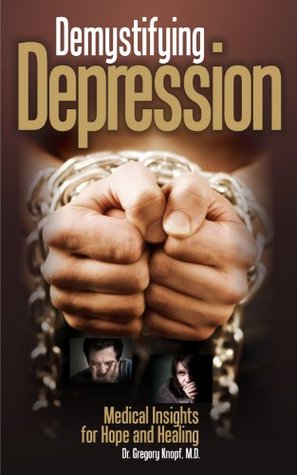
Demystifying Depression
Feeling sad, anxious, hopeless or depressed is mystifying because there seems to be so many confusing explanations for what is causing a person to feel so bad. Instant...
A Christian's Guide To Depression & Antidepressants
This book defines depression and its' basic causes, provides the criteria for determining whether one is depressed or not, and then outlines the basic options for...

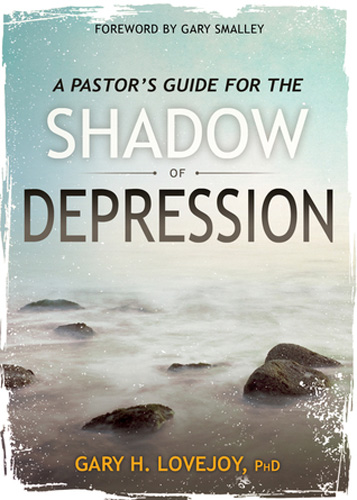
A Pastor's Guide for the Shadow of Depression (Light in the Darkness)
Pastors face unique challenges and unrealistic expectations that can lead to feelings of failure, deep sadness, and depression. Too often they feel no one understands, as if...
Strands of Light: Seeing Hope in the Fog of Depression
Having a strong Christian faith is certainly no guarantee against depression. But what if depression has a good purpose in Godâs plan? Strands of Light challenges readers...

Light on the Fringe: Finding Hope in the Darkness of Depression
"Light on the Fringe: Finding Hope in the Darkness of Depression" addresses the difficulty that many depressed Christians often have in understanding their...

Downloads
Recommended Readings
About BiblicalTraining.org
BiblicalTraining.org wants every Christian to experience a deep and loving relationship with Jesus by understanding the life-changing truths of Scripture. To that end, we provide a high-quality Bible education at three academic levels taught by a wide range of distinguished professors, pastors, authors, and ministry leaders that moves from content to spiritual growth, all at no charge. We are a 501(c)(3) non-profit funded by gifts from our users. We currently have over 180 classes and seminars, 2,300 hours of instruction, registered users from every country in the world, and in the last two years 1.4 million people watched 257 terabytes of videos (11 million lectures).
Our goal is to provide a comprehensive biblical education governed by our Statement of Faith that leads people toward spiritual growth.