Depression: When a Member of the Flock Needs Special Care - Lesson 6
Things We Can Do To Help (Part 2)
In this lesson, you will explore the complex relationship between self-esteem and depression, discovering how valuing oneself is essential for motivating change and improving behavior. You will learn about the analogy of the potter and clay, where God is the potter, and humans are the clay, which emphasizes the importance of taking pleasure in God's handiwork. Through a practical exercise, you will identify and list your strengths, gather feedback from others, and focus on these strengths, connecting with God through appreciation. The lesson will also help you distinguish self-esteem from narcissism, with the former rooted in valuing God's gifts and the latter focused on self-importance.

I. Introduction to Self-Esteem and Depression
A. Complexity of Self-Esteem
B. Connection between Low Self-Esteem and Depression
II. The Importance of Valuing Oneself
A. Motivation for Change
B. Impact on Behavior
III. The Potter and Clay Analogy
A. Laguna Beach Pottery Shop Experience
B. The Potter's Perspective on Art and Pleasure
C. God as the Potter and Humans as the Clay
IV. Building Self-Esteem through a Practical Exercise
A. Identifying and Listing Strengths
B. Gathering Feedback from Trusted Individuals
C. Focusing on Strengths and Visualizing Their Use
D. Connecting with God through Appreciation of Strengths
V. Distinguishing Self-Esteem from Narcissism
A. Focus on God as the Source of Strengths
B. Emphasis on Valuing God's Gifts
Dr. Gary Lovejoy: In regards to the whole self-esteem issue that we talked about earlier, the self-esteem issue is a very complex one. But it lies at the root of every person who’s depressed. I don’t know of anyone who’s come to me, who’s depressed, who does not have low self-esteem. And so, in order to motivate them to seek out change and to begin the change process without defeating themselves before they even get started, you really need to deal with their attitudes. You need to deal with their attitudes towards themselves, because if they don’t, if they hate themselves, they’re not going to be highly motivated to change them. You see, I said this before when I was talking about self-esteem. When you value who you are as a person, you’re much more likely and motivated to change your behavior, to honor God and to honor others. You are not so motivated if you hate yourself to begin with. And what we end up doing to be walking self-fulfilling prophecies, we end up acting out the very behaviors we hate because we hate ourselves.
So I sometimes start with self esteem because that’s where they need to start in order to provide the motivation for further change in other areas of their life, and to address the real issues contributing to their depression. So you say, “Well, how do you attack that?” Well, sometimes I give a basic story with an attendant exercise with that story. Some years ago, my wife and I went to Laguna Beach. And I don’t know if any of you are familiar with Laguna Beach, but it’s a beach town in California, south of Los Angeles, a beautiful place right on the cliffs and overlooking the ocean. And it’s known for being a really artsy town. And we were there to attend an art exhibit. It was called the Pageant of the Masters. And it was quite a brilliant display and an outdoor amphitheater, very popular.
But we arrived early, so we decided to walk around town and visit some of the many, many, many art shops that occupied the downtown area. And so we were just drifting through and window shopping, and briefly, I got separated from my wife and walked into this pottery shop. And it was stunning pottery, absolutely beautiful stuff. I mean, it was just, you know, is so beautiful. And the shapes, the colors have been fired, very expensive, and I couldn’t afford it. And I didn’t have the money, but I sure enjoyed the visual display, and I was shopping, just window shopping anyway. So I walked through the shop, and I noticed when I walked in the shop that he was at the back end of the shop and his potter’s wheel and I didn’t want to disturb him. And so I just quietly walked around the shop and looked at different things, and a few minutes later he showed up at my side, and he apparently got to a place where he could stop. He came over and he said “Can I help you?” And I said “Well, not really. I don’t have any money, but I wanted to tell you just how much I love your work. Your work is absolutely stunningly beautiful.”
And then I took him on a tour around the store and shared with him some of my favorite pieces. And I asked him about how he constructed the piece and what he had in mind because there’s such beautiful work. When I got finished, he stopped and he backed up and he looked at me with kind of a Mona Lisa smile, and he says “Let me give you a glimpse into the soul of the artist.” I thought, “Whoa, it’s heavy.” And so I said “Okay, that’s fine. Go ahead.” And so he said “Whether you know it or not, but the artistic community is a very tight community. We get together three or four nights a week, and we have a beer and talk about politics, and religion, and our artwork, and you name it, we talk about…nothing is sacred. We talk about everything.”
And he says “As you might well know, we have lots of disagreements. We have pretty spirited debates, but we all like each other. And so we have these spirited debates about all sorts of things.” But he says “There’s one thing we all agree on. We have lots of disagreements about other things, but there’s one thing we really agree on.”
I said “Oh, what’s that?”
He says “Why we do what we do, why we do the artwork we do.”
I said “Oh, what is that? What’s the reason you do that?”
He says “Well, let me give you a little broader explanation.” He says “When someone comes in to buy my stuff and they have an agenda in mind, they want to buy a vase for Aunt Susie back home for a souvenir or whatever, they’ll go do that. And then I’m happy to sell it to them. That’s how I make my living. But I’m not interested in becoming rich as long as I make enough to keep a roof over my head and keep doing what I love to do best.” But he says “They’re not the ones who give me the greatest satisfaction in life.”
I said “Oh, really? Then who does?”
His eyes then met mine. He says, “People like you.”
“Why me? Why? Because I wasn’t buying anything.”
He said “Because when I was sitting back there at the wheel, I was watching your face. I could see the delight on your face. And I could see you were loving my work. And then I came over and I asked you to, you know, if you needed help. And then you took me on a little tour and showed me all this stuff. And once again, I saw on your face the delight that my handiwork was giving you.” And he says “You need to understand what the real soul of the artist is; why I do what I do is that when I get feedback, when I get response that my handiwork has given pleasure to others,” he says “that’s why I do what I do. I want my handiwork to give pleasure to others.”
Then he again looked at me in the eye, and he said, “So I want to thank you. You made my day. In fact, you made my week.” And so I walked out of that store and very pensive, and think about it. And then there was a God moment, and all of a sudden the verse popped in my mind was Isaiah, chapter 64, verse 8, where God says (and there are many places in Scripture of this), but this is one of them where God says “I am the potter, you are the clay.” And it just so happened I walked out of a potter shop and it was God who was tapping on the shoulder and saying to me “Did you hear what that artist said? Did you hear what that potter said? By the way, he’s a potter. I know about pottery.” And he says “Did you hear what he said? He gets his greatest pleasure when his handiworks gives pleasure to others. He’s right, you know, That’s how I feel. So when are you going to take pleasure in my handiwork in you?” And at that moment, and I’m forever indebted to that artist, from that moment, I began to realize this is what God is trying to say. And using the analogy of the potter and the clay, he says “I have molded you. I have shaped you. I am quick. You’re my handiwork. I take pleasure when you take pleasure in my handiwork. When are you gonna start?”
And so that results in an exercise which I have people do where I have them, first of all, write down all their strengths, their personality strengths, their talents or skills, everything; all their strengths. And when they’re done, then I want them to go to different people and say, “Would you…I’m just trying to evaluate where I am right now and I’m trying to look at my strengths. Could you jot down what strengths you see in me?” And so have several people that you trust draw up lists of the strengths as they see in you, and then bring them together and compare them. There’ll be a lot of overlap, of course, but there’ll be some things they’ll see that you don’t see. And so you add those to the list, and then when you get done, you have a composite list of all the strengths of you—all of your strengths. Then periodically (and I usually suggest), start out three times a day, like three good meals, you know, like good dietary approach, three good meals a day. And each time what you do is all it takes is about each time takes about a minute and a half or a little more. I’m asking for five minutes of commitment a day, five minutes, just five.
But in this, and each time in those three times a day, what I want you to do is I want you to pull out, jot down these things on a three by five card, keep it with you in your wallet, your purse, whatever, and then pull it out. And you look at those, you look at those characteristics and all those strengths. And these are my strengths. And then after you’ve looked at them for a moment, then select that one, whatever one you want, select that one, and then close your eyes and imagine yourself using that strength. You may have used it just that morning, but imagine yourself using that strength, and allow yourself to enjoy the fact that you have that strength. Just luxury in it for the next minute, and then when you’re done, then I want you to breathe this brief prayer to God. It is not rote, just something to this effect. “Lord, I have just really been enjoying the fact that I have this strength. And I know that you’re the potter, you’re the artist, you created the strength in me. And I know that as I have been enjoying and taking pleasure in the strength, I know that gives you pleasure back because you’re the artist.”
You see, this really gets to the source of the distinction between self esteem and narcissism. Narcissism is: “I’m the source of me, I’m the one that’s important.” And self esteem is, it’s: God is the important one. God is the creator. He’s the one that gifted you with these marvelous strengths that are part of who you are. And that’s why he wants you to value who you are. So if you do that three times a day, not only will you build a deeper, more abiding intimacy with your God, but you will also become more fervently aware of the fact that “I have strengths that are God’s gifts to me. It’s his legacy to me that no one can take from me. They’re God’s personal legacy to me that I might enjoy, that I might give to others, that they might that the Kingdom of God might be enhanced because of it.” That’s self esteem. And that’s something all of us can experience.
Little wonder the writer of the Hebrews said that God is giving that account, that the world is not worthy of it. You bring unique strengths that enhance the Kingdom of God. And as a collective of a church, each person brings their multifaceted talent pool together and they bring that. And this is the handiwork of God. And in that handiwork of God, it produces a collective beauty we call the Body of Christ. And to do that means to identify your strengths and to be able to use them for the glory of God in the body of the church.
And finally, in this respect, and I might just add as a kind of corollary to this, it’s not possible to treat anyone else in a disrespecting or depreciating way without also badly damaging your own self esteem. The converse is also true that as you respect others, as you treat others with love and with respect, that will then feedback, and creating a greater respect for who you are as God has gifted you. So there’s a reciprocity in this whole process. And one thing that I am going to conclude with is, the one thing that can derail this whole process, is often how we deal with our anger. Because anger is such a volatile, such a powerful emotion, it often overrides other things. And so that it gives us oftentimes, through our guilt, a certain kind of justification for self condemnation. And we don’t want to have those emotional grounds for that. So I thought I would just make one comment about how we might handle anger in this regard. We have a choice in the way we deal with anger, and our choice is fourfold. We can either suppress it, repress it, express it, or confess it.
If we suppress it, it simply means I know I’m angry, but I’m pushing it down. But, you know, that’s dishonest because people know you’re angry. You know, you’re walking around slamming doors. “Are you angry?” “Nope, I’m not angry.” And you keep insisting you’re not angry. And everybody knows you’re angry. Like one person said “I always know when my middle name is used, anger is involved…and very true. So I’m just holding it down.” Does that help anything? No. It only creates a strain and obvious tension in the room.
What about repressing it? Some people literally repress it. I have known people who are so professional, and so abhor their anger, and a professional at pushing it down, that they succeed in actually repressing it. So they are unconscious of their anger. I saw in a group therapy a guy was being attacked by somebody else, and he was sitting there with a kind of placid smile. “How can you smile when you’re being attacked like that?” “Oh, well, that’s just the way it is.” And he was completely divorced from his feelings. Because for him, you know, expressing it was just too threatening.
Then the third is expressing. We think “Oh, isn’t that what we’re supposed to do?” No, by expressing, I mean, let it fly, blow off steam. Some people do that, They explode, and then they’re all over with it and everything’s fine. But everybody else is sitting there bleeding to death. And they can’t understand why… I’ve often done this in marriage counseling, where the husband has an explosive temper and he explodes on his wife, then is quiet. And he says, “Why are you always quiet? You never want to do anything with me.” Because she’s trying to stay out of his way, because she’s so put off by his explosive anger. But he’s over it. But she’s not. And so expression, just simply expressing your anger, is not—and actually that was addressed by the Apostle Paul in Ephesians 4 when he says (outrage, when you express your wrath) he says, “You know, when you’re just simply using other people as punching bags, don’t ever think that’s going to solve your anger.
The fourth one, though, is to confess it. That is, to talk it through, walk it through together, preferably toward the person to whom you’re angry; that you talk it through and walk it out and leads to healthy, positive conflict resolution. How can we make it better? How can we build our relationships so we don’t have the repetitive experiences of building anger, and we can get at some of the roots of conflict that exist that lead to a lot of interpersonal depression in marriages. I’ve had many couples come in and they look like they’ve been through World War III because they’re so depressed at the level of dysfunction in their marriage, and the loss of intimacy, and the loss of their dream of a happy marriage.
And so that’s why God encouraged Job to get his anger out, not to hold it in, but to get it out so that he could challenge his mistake and beliefs about his character and his person. I think Jesus demonstrated it best to me when in John chapter 11, when he gets this message, urgent message from Mary and Martha that Lazarus is sick and dying, and got to come right away. And this was in Bethany, and he was across the Jordan about a day’s walk. And so they sent him this immediate message: “Please come as soon as possible, he needs your healing touch.” And what does Christ do? It is a very interesting statement. It’s made at the beginning of chapter 11, it says “Because he loved Lazarus, he waited. Because he loved him, he waited.”
I think that’s so interesting because if we had an emergency call from somebody that our mother was sick and dying or our brother was in an accident, we’d be getting on the fastest plane; we’d get there and get there as fast as possible. But for Jesus, it says “he loved him, therefore he waited.” And so four days go by, and he finally shows up, and his own disciples think they’re on a death march, you know. It was finally up to Thomas to say, “Oh come, let’s go die with him,” you know. And so they arrive at Bethany. And what happens at Bethany when he arrives? Martha is the first one who greets him. And she says “If you’d only been here, our brother Lazarus would have lived.” “If you’d only been here.” Do you hear what she’s saying? And Mary, when she discovered he was there, came and said word for word the same thing. In other words, what they were saying is: “Don’t you care?” This is four days later. He stinks in the grave. I mean, why is it that you avoid now?
Of course, he had a purpose. He was going to raise Lazarus, but they didn’t know that. And Jesus understood that. Now, he could have very easily said, “Hey listen, don’t impugn my motives. My own disciples think we’re on a death march. I am risking life and limb just to be here. How can you attack me and tell me I don’t care?” Or he could have said, “How dare you come? Don’t you know who I am? I’m busy. I can’t just drop everything every time somebody asks me to do something. I’m healing and I’m doing great things for God’s kingdom. How can you possibly say that? I have to jump every time. How dare you?” He could have done those things. He could been very defensive, and they would have shrunk away…“I guess you’re right.”And it would have been very unhealing.
But what did Jesus do? He didn’t do any of those things, did he? It records that after he shares a few things to kind of prepare them for what is to come later, he goes over to them, and he weeps with them. He puts his arm around and weeps with them. What was he doing? He was saying “I understand. My actions have hurt you. You think I don’t care? I’m late, and you think I don’t care? I’ve injured you because of my lateness. It’s not because I’m trying to hurt you, but because I love you. And I love Lazarus. I want to show you something glorious, and I’m going to do something glorious. But you don’t know that. You just need to know you’re loved. And you need to know that I know you’re hurt.”
What was Jesus doing here? Why is this little incident included? I believe it’s because he’s teaching us how to deal with other people’s anger. When we’re accused, we usually get defensive, don’t we? We circle the wagons, we fire back. Either that or we withdraw altogether. Jesus did neither. It’s almost like he looked back at his disciples and said, “See, this is how you handle it when people attack you, when people are angry.” He says, “You go directly to see the hurt behind the anger, because anger is always produced by hurt.” People feel angry when they feel like they don’t matter, when they feel like what they say, what they have to feel doesn’t make any difference. They’re hurt. And when you deal with anger alone, when you get defensive, you’re just dealing with the person’s anger, it’s like dealing with the symptom.
Anger is a signal, like depression is. It’s an acute signal. Depression is a chronic signal. Anger is an acute signal that says something is wrong. But we see, we’re attending to the signal and missing the whole point of the signal, which is pointing to the real problem, which is the hurt. So we’re dealing with the symptom. It’d be like if I went to Greg here and I said, “You know, I’ve got this pain in my knee.”
And he says, “Oh yeah, well, we’ll take care of that. We’ll just numb it up and you won’t feel anything.”
I said “Well no, I don’t want that. I want to know why I’ve got a bad knee.”
“Oh, don’t worry about that. We got plenty of things we can put on it and you won’t feel a thing.”
And I think he’s a quack. I say “Good grief. I want to know why I’m hurt.” In other words, if you just tended to the symptom alone, I would say “I don’t want to know the symptom. I want to know what’s wrong with me. I want to know what the reason I’m having the pain is. Well, that’s the same thing. It’s the same thing of dealing with anger, with our anger. We’re just dealing with the symptom. We’re not even getting to the cause. And so what Jesus was saying is, “Look past the anger of the other person and see the hurt there, and then respond to the hurt.” You’re cutting to the chase. You’re getting right to the core. He says, “When you do that, you display the kingdom of God because isn’t it God’s love stretched beyond our anger and our rebellion to him? And he looks past that and he sees the love ability of our person. And he says, “I want that person redeemed. I would not that anyone would perish.” That’s a love we have a hard time understanding.
It’s when Jesus, in the Sermon on the Mount, when he started speaking about turning the other cheek. And when you get sued, just give them whatever they want. And when they force you to go a mile, go another mile voluntarily. And if they come and ask you for something, just give them things. And then in the coup de gras, he says, “And if you love your friends, I tell you to love your enemies.” But I’m sure the Pharisees and his audience were scratching their heads and said “Is this guy out of his gourd? How can you love like that? That doesn’t make any sense.” If someone starts beating you up, usually the first thing you do is protect yourself. They’re flinging at you and they’re slugging you. You hold yourself up to protect yourself. Just sitting there and say “Here, have this side too, hit the side on top of it.” That doesn’t make any sense. That sounds crazy.
And then if you’re suing, if we’re going to be sued, what do we do? We go out and get the best lawyer we can get. Right? Protect ourselves. He says “No, no, don’t do that. Just give them what they want.” “What are you talking about?” And he says, “If somebody sticks a gun in your ribs and forces you to go a mile, say I’ll go an extra mile with you.” Are you kidding? The first chance you have to escape, you will. Or if someone wants something from you, you’re going to say “Well, I don’t know if you’re going to use it properly. I’m not sure.” No, you just give it to him? You know, that’s crazy.
And love your enemies. Think of that terrorist who just as soon slit your throat, slit the throats of the people you love. You love them? Do you have this warm fuzzies toward them? No. You want him dead. We rejoice when we hear a terrorist has been killed. Right? But Jesus said “love your enemy.” And so you can imagine this. You can imagine the response of people saying, “This is nuts. This is absolutely nuts. You can’t love like that.” And Jesus is saying to them “You’re right. You can’t love like that. But I can and I will.”
And he did. He did. He was beaten badly. And he never offered resistance. He was taken to court. He never offered defense. He was forced to go carry the cross. And he took it all the way to the Calvary. They divided up his clothes, and he was God. He could have stepped down, reclaimed, but he didn’t. And on the eve of his crucifixion, he stood on the Mount of Olives looking across the Kidron Valley to the glinting temple complex on Mount Zion. And tears ran down his cheeks as he wept for the very, very people who were plotting at that very moment to kill him. He loved them. He did everything he said in the Sermon on the Mount, everything that sounded absolutely insane to the people who were listening. He did every one of them. Why? Because he can love like we can’t. We can’t. And he says “You not only need me, you need my love to love others.”
And is not this the whole point of the Mosaic Law—is to love God and to love others. But it’s in that sequence. We love God and therefore in His love through us, we love others. And that’s what Jesus was doing in Lazarus. Great! He says, “This is loving others, going and looking at the hurt behind the anger.” If we each did that with each other in our churches and in our marriages and in our homes, if we did that, it would revolutionize our homes. It would absolutely revolutionize them, because we would be responding to the real issues, to the hurt that is there.
So these are some things that you can think about doing that are things that don’t necessarily require professional intervention, but they may unearth some things that you might want to check out through professional help. But these are some things you can consider that would be helpful in addressing these issues of depression that so burdened down the people of God, so that we might be a free people; that we might be an example to all the world that—”My, look how they love one another. Look how they are able to help one another, to come to one another’s aid in adversity, and the strength that God seems to give them to endure the worst.” If that is said of us, then we will hear from God “Well done, though good and faithful servant.”
Dr. Greg Knopf: That’s great stuff, Gary. Well, I think it’s time to close our sessions together. And I wanted to come back to where we started with the whole topic of depression, and hopefully you’ve had the opportunity to see that depression is complex, and it’s also a spectrum from mild to moderate and to more severe. And so I want to read a quote from one of the nation’s top experts in depression, Dr. Stephen Stahl:
And he says that “depression is an emotion that is universally experienced by virtually everyone at some time in life. Everyone can feel depression, but distinguishing the, quote, normal emotion of depression from an illness requiring medical treatment is often problematic for those who are not trained in the mental health sciences. Stigma and misinformation or culture create the widespread popular misconception that depression is a deficiency of character which can be overcome with effort. For example, a survey in the early 1990s of the general population revealed that 71% thought that mental illness was due to emotional weakness. 65% thought it was caused by bad parenting. 45% thought it was the victim’s fault and could be willed away. 43% thought that mental illness was incurable. 35% thought that it was the consequences of sinful behavior, and only 10% thought that it had a biological basis or involved the brain.”
So as we think about some of the options, we want to also realize is that as this depression is really an alarm system, that we’re not advocating for, you know, and I’m not advocating that “Oh, if you’re feeling down then just take a pill.” That’s not what we’re saying. We’re saying to pay attention to what’s going on in your life. And sometimes, as Gary so eloquently is talking about, is because we’re angry about some things. We may be lonely; we may be tired; we may be hungry; and therefore, you know, making sure that you’re getting proper exercise, getting enough sleep, eating right kinds of food. You know, having balance in your life is is absolutely critical. Taking care of our body, the Temple of the Holy Spirit, and meditating on Scripture, studying Scripture. These things can have a profound effect. And the Lord will speak to us and give us insight as we fill our minds with Scripture. And then oftentimes music can be helpful in some people, uplifting music, praise music. It can have a therapeutic effect. And so we don’t want to diminish any of these things that are part and parcel of our human experience.
But then as we close, I just want to sort of talk a little bit about and maybe pray Scripture over all of us here. And in 1 Thessalonians 5:23 it says, “May God himself, the God who makes everything holy and whole, make you holy and whole, put you together spirit, soul and body, and keep you fit for the coming of our master Jesus Christ. The one who called you is completely dependable. If he said it, he’ll do it.” And that’s a promise, and that’s a confidence that we have. And I want to pray that for us in just a moment.
Then the last Scripture I’d also like to pray: in 2 Corinthians 1 it says, “Jesus the Messiah…” (and this has to do with some of the purpose of depression in our own lives). And that is “Jesus the Messiah, father of all mercy, God of all healing counsel. He comes alongside us when we go through hard times. And before you know it, he brings alongside someone else who is going through hard times so that we can be there for that person, just as God was there for us.” And I believe that God has given each one of us the privilege and the opportunity of sharing sacred space with people who are hurting. And I believe that people are more open to the gospel when they’re in pain than when things are going well. And we can come alongside and say “You know what, I’ve experienced some of what you’re going through, and this is some of the things that helped me through those tough times, and it may be helpful for you.”
- In the first lecture of the course "Depression: When a Member of the Flock Needs Special Care," you will gain insight into what depression is, how it affects people, and what causes it, as well as learn about the difference between depression and normal sadness, and how to recognize signs of depression.0% Complete
- This lesson teaches you to view depression as a warning sign, and helps you understand the various causes and risk factors, including predisposing biological factors and neurotransmitters, for a more balanced approach to addressing and managing depression.0% Complete
- In this lesson, you learn about the spiritual aspects that influence our understanding of the heart of God, examining misconceptions and stereotypes, as well as how depression affects Christians. Through biblical examples, you gain insight into God's compassionate response to those who struggle and his desire for a relationship with his followers.0% Complete
- In this lesson, you learn about the complex nature of depression and the need for a balanced approach to treatment, considering spiritual, physical, and emotional aspects while debunking misconceptions about mental illness and prayer.0% Complete
- In this lesson you will discover the importance of adjusting the focus of our thought life as part of the process of overcoming depression. You will also learn about the importance of having an open discussion about depression in the context of a church community. And finally, two common mistakes we make often make; trying to control things we don’t have control over and not controlling things we do have control over.0% Complete
- In this lesson you will learn about the importance of dealing with anger appropriately and hear suggested strategies for doing it. This lesson also covers the importance of an accurate self-concept and how scripture informs us in this area.0% Complete
Lessons
- In the first lecture of the course "Depression: When a Member of the Flock Needs Special Care," you will gain insight into what depression is, how it affects people, and what causes it, as well as learn about the difference between depression and normal sadness, and how to recognize signs of depression.0% Complete
- This lesson teaches you to view depression as a warning sign, and helps you understand the various causes and risk factors, including predisposing biological factors and neurotransmitters, for a more balanced approach to addressing and managing depression.0% Complete
- In this lesson, you learn about the spiritual aspects that influence our understanding of the heart of God, examining misconceptions and stereotypes, as well as how depression affects Christians. Through biblical examples, you gain insight into God's compassionate response to those who struggle and his desire for a relationship with his followers.0% Complete
- In this lesson, you learn about the complex nature of depression and the need for a balanced approach to treatment, considering spiritual, physical, and emotional aspects while debunking misconceptions about mental illness and prayer.0% Complete
- In this lesson you will discover the importance of adjusting the focus of our thought life as part of the process of overcoming depression. You will also learn about the importance of having an open discussion about depression in the context of a church community. And finally, two common mistakes we make often make; trying to control things we don’t have control over and not controlling things we do have control over.0% Complete
- In this lesson you will learn about the importance of dealing with anger appropriately and hear suggested strategies for doing it. This lesson also covers the importance of an accurate self-concept and how scripture informs us in this area.0% Complete
Class Resources
Recommended Books
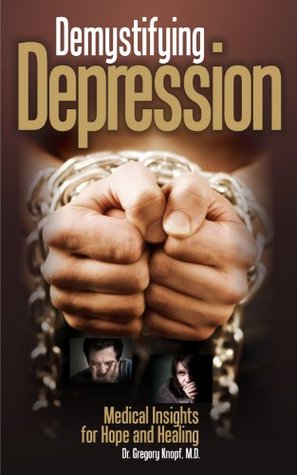
Demystifying Depression
Feeling sad, anxious, hopeless or depressed is mystifying because there seems to be so many confusing explanations for what is causing a person to feel so bad. Instant...
A Christian's Guide To Depression & Antidepressants
This book defines depression and its' basic causes, provides the criteria for determining whether one is depressed or not, and then outlines the basic options for...

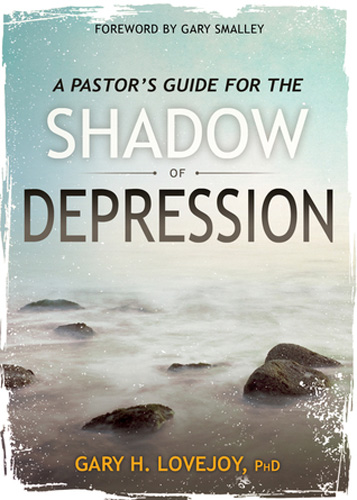
A Pastor's Guide for the Shadow of Depression (Light in the Darkness)
Pastors face unique challenges and unrealistic expectations that can lead to feelings of failure, deep sadness, and depression. Too often they feel no one understands, as if...
Strands of Light: Seeing Hope in the Fog of Depression
Having a strong Christian faith is certainly no guarantee against depression. But what if depression has a good purpose in Godâs plan? Strands of Light challenges readers...

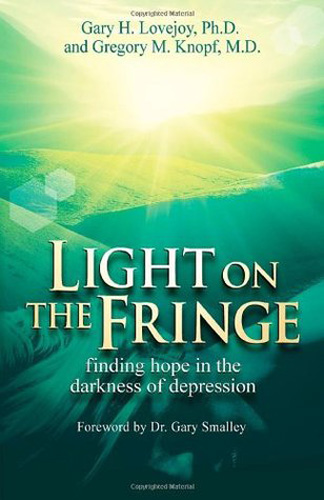
Light on the Fringe: Finding Hope in the Darkness of Depression
"Light on the Fringe: Finding Hope in the Darkness of Depression" addresses the difficulty that many depressed Christians often have in understanding their...
Downloads
Recommended Readings
About BiblicalTraining.org
BiblicalTraining.org wants every Christian to experience a deep and loving relationship with Jesus by understanding the life-changing truths of Scripture. To that end, we provide a high-quality Bible education at three academic levels taught by a wide range of distinguished professors, pastors, authors, and ministry leaders that moves from content to spiritual growth, all at no charge. We are a 501(c)(3) non-profit funded by gifts from our users. We currently have over 180 classes and seminars, 2,300 hours of instruction, registered users from every country in the world, and in the last two years 1.4 million people watched 257 terabytes of videos (11 million lectures).
Our goal is to provide a comprehensive biblical education governed by our Statement of Faith that leads people toward spiritual growth.