Reading the Bible Better
About This Class
About the Professor
George Guthrie
Dr. George Guthrie is the Professor of New Testament at Regent College in Vancouver, British Columbia. In How to Study your Bible, he gives you a vision for the value of reading, understanding and applying the Bible to your life and the tools you can use to do it effectively. In his class on Hebrews, Dr. Guthrie points out how Jesus is the fulfillment of Old Testament prophecy by being superior to the angels, superior to Moses and superior to the Old Testament sacrifices. His lifetime of study, teaching and translation work combined with his love for the Bible and his students has resulted in a style of instruction that will inform you and motivate you to read the Bible for yourself and become a different person in the process.

Lessons
- Dive into this lesson to gain a deep understanding of how to read the Bible better, focusing on hearing scripture accurately, personal transformation, the grand story, and reading in community, while fostering a sense of joy and wonder in your journey.0% Complete
- Discover the power of words, their impact on our lives, and how God's words and communication in the Bible provide guidance, shaping us to live with purpose and spiritual growth.0% Complete
- Being receptive to what God is saying to you in the Bible is an important part of reading the Bible better. The parable of the sower gives you a word picture of obstacles you face in attempting to cultivate a receptive heart.0% Complete
- The parable of the Sower reveals your receptivity to God’s Word and how creating relational, focused space for Scripture helps your heart grow, listen well, and produce spiritual fruit.0% Complete
- In this lesson, you learn about literary context's importance in interpreting the Bible, identifying literary genres and structures, and applying context for accurate exegesis and application.0% Complete
- By understanding historical context, you can better interpret the Bible, considering cultural, social, and geographical backgrounds. Study Bibles, Bible dictionaries and commentaries can provide you with helpful information.0% Complete
- This lesson provides you with knowledge on the importance of Bible translations, their types, and the criteria for selecting the most suitable one for your needs while also offering insights into their historical development.0% Complete
- Dr. Guthrie will teach you how to identify and interpret various biblical genres. This will enhance your understanding of the Bible and help you apply its teachings more effectively in your life.0% Complete
- By entering the story when reading the Bible, you enrich your understanding, connect with biblical characters, and foster personal spiritual growth, Bible study, and teaching skills.0% Complete
- When you read your Bible, read rhythmically and meditatively, use the tools you need to understand the background and apply the Scripture to your life in specific ways.0% Complete
Class Resources
Recommended Books
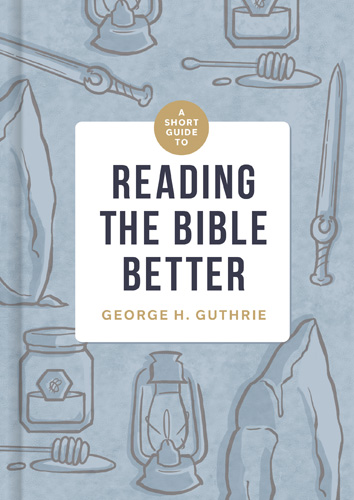
A Short Guide to Reading the Bible Better
The number one predictor of a person's spiritual health is the regular practice of personal Bible reading. ÂBut this is precisely the point where many Christians...
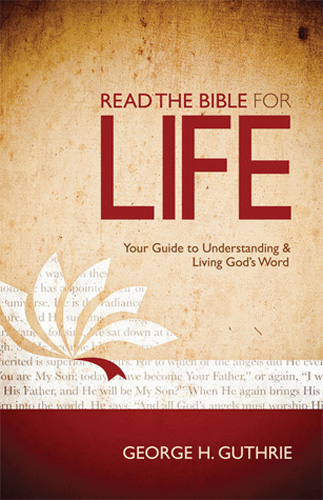
Read the Bible for Life: Your Guide to Understanding and Living God's Word
The Bible may be the most-purchased book in the world, but it is often the least read and least applied due to a basic lack of understanding and motivation on the part of...
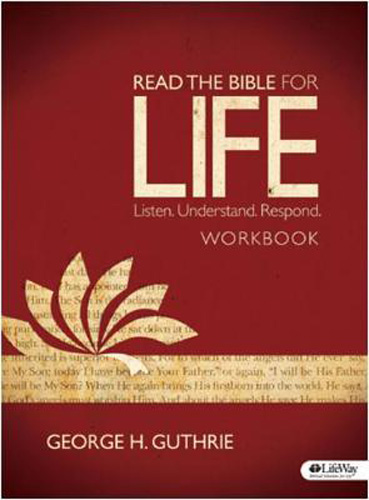
Read the Bible for Life - Workbook: Listen. Understand. Respond
Read the Bible for Life - Workbook by George Guthrieis a participant's guide to a whole-church approach to greater biblical literacy. This study equips individuals and...
What's Next?


About BiblicalTraining.org
BiblicalTraining.org wants every Christian to experience a deep and loving relationship with Jesus by understanding the life-changing truths of Scripture. To that end, we provide a high-quality Bible education at three academic levels taught by a wide range of distinguished professors, pastors, authors, and ministry leaders that moves from content to spiritual growth, all at no charge. We are a 501(c)(3) non-profit funded by gifts from our users. We currently have over 180 classes and seminars, 2,300 hours of instruction, registered users from every country in the world, and in the last two years 1.4 million people watched 257 terabytes of videos (11 million lectures).
Our goal is to provide a comprehensive biblical education governed by our Statement of Faith that leads people toward spiritual growth.